
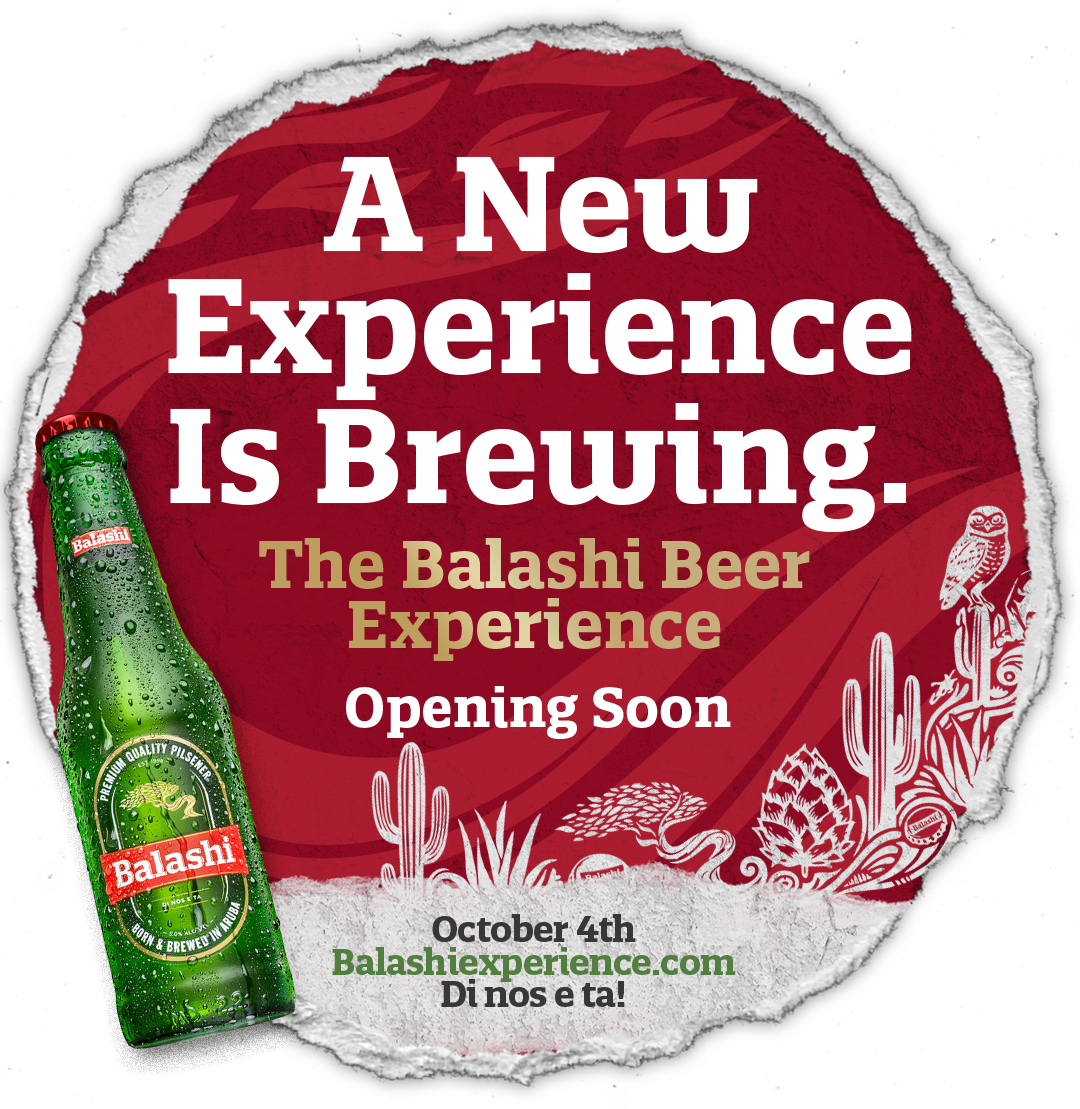
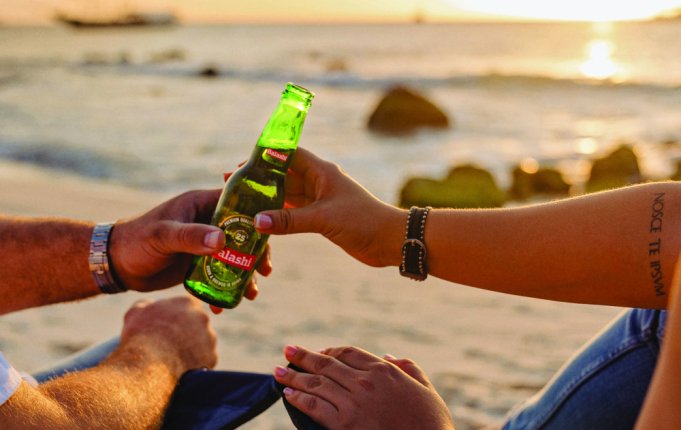
Arturo Romero, brewmaster at Balashi Brewery, says the perfect time to crack open a cold Balashi is on the beach with his wife and kid at sunset. “If you’re sitting on one of the beautiful beaches in Aruba, seeing that huge sun melt into the horizon with a cold Balashi in hand, I mean, that’s pretty much the definition of perfection.”
Chilled beer is synonymous with blazing hot days on the pristine shores of white sandy beaches, local sporting events, live street music and, best of all, spectacular Carnival celebrations. This is why the advent of locally brewed Balashi beer so naturally found its place within life on the island.
“Balashi’s motto is di nos e ta for a reason,” Romero says. “It loosely translates from Papiamento to ‘ours it is’. Part of the reason that’s [the motto], from my perspective, is that, like the history of Aruba and the culture itself, the beer is a unique blend.”
The brand cemented itself as Aruba’s national beer from its inception in 1999, donning the flag of Aruba for its original logo. Over time, the brand adopted a more subtle symbol to represent the island, using the Fofoti tree, an iconic landmark, instead. “Balashi reflects the hardworking spirit of the people in Aruba,” says Luis Riley, the beer marketing coordinator at Balashi Brewery, noting how the brand is constantly evolving. “It’s the will to get better, move ahead and progress.”
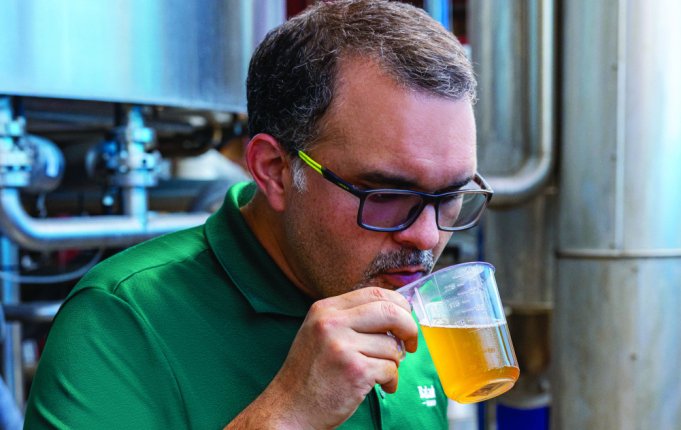
The flagship German-style blonde pilsner is Aruba’s beer, with aromas derived from desalinated water from the island’s water treatment plant, premium malted barley and malted wheat from the Netherlands, hops imported from Germany, and the exacting conditions that the ‘one happy island’ has to offer.
Now, the sheer amount of beer and Malta Balashi (a carbonated, non-alcoholic malt beverage) produced and consumed has increased exponentially since the brand was founded—with a rough estimate of 65,000 to 70,000 hectoliters total produced annually, according to Romero. “As the process and the product improved over the years, locals also tended to purchase and like the beer more,” Romero says. “I believe [Balashi] covers over 60 percent of the market share of the beer portfolio on the island.”
In the true form of the hardworking spirit that Balashi embodies, innovation is paramount and process improvements aim to work in favor of the local social ecosystems on the island. Recent examples include incentivized bottle return initiatives, with dedicated recycling locations, and spent grain programs for farmers to make use of an otherwise wasted beer by-product for animal feed. And, of course, the Balashi brand has steadily expanded its product range with two other core beers: Chill and Magic Mango.
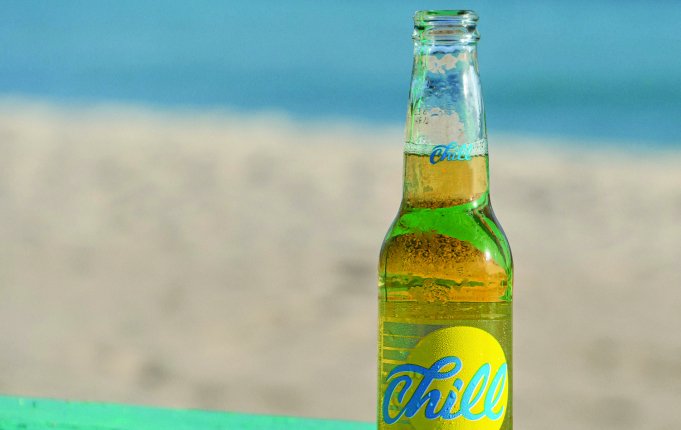
The Balashi pilsner offers the bitterness expected from a beer with hops- and malt-forward aromas. In the context of sitting down at a restaurant or beach bar looking to get a taste of the flavors of Aruba, Riley says, the classic beer is best served with rich foods like red meat and deep-fried pastechi, fiunchi or bolita di keshi. Balashi Brewery’s pale lager, Chill, offers a refreshing citrus taste. Think beer that can be served with a lime wedge and that would typically complement a seafood dish. And the Magic Mango pale ale’s mild sweetness from hops and mango pairs well with fresh appetizers and salads, Riley adds, speaking to how each beer in the Balashi Brewery portfolio is distinctive to Aruba.
“I think the heart and passion of the operators and brewers here at Balashi play a big role in making the beer stand out on the island,” Romero says. “They’re locals, they love the product, and they’re proud of what they make,” he adds. Their passion fosters a level of commitment to quality that you won’t necessarily find in imported beers in Aruba, Romero insists. “It’s 24/7 for 365 days of the year because once you start brewing, [the watchful care] doesn’t stop until a customer drinks the product,” he adds. The commitment is true for everyone involved in looking after the beer in the brewery, in the warehouses and wherever Balashi products are served, not only to ensure the Balashi experience is upheld, but to represent the cherished island.
Aruba’s heritage is at the foundation of the identity Balashi has shaped for more than 25 years. Its name salutes Balashi, an area of the island known for the historic Balashi Gold Mill ruins near the Spanish Lagoon and Frenchman’s Pass. To this day, the brewery remains in the broader Balashi region. The word balashi means ‘water’ in Papiamento, as a nod to the unique desalinated water that makes up the base of the brews, and to the idea that when the good times roll at local restaurants, rum shops, music festivals and Carnival, the Balashi flows like water.
“People connect beer with good times, and I think that’s something worth having,” Romero notes, making the connection between Balashi and the paradise island in the Caribbean where it is brewed. “People have a good time here in Aruba. Good beaches, good food, good beer. It’s a whole package, and [Balashi] plays a role in it.”
Photography Kenneth Theysen